
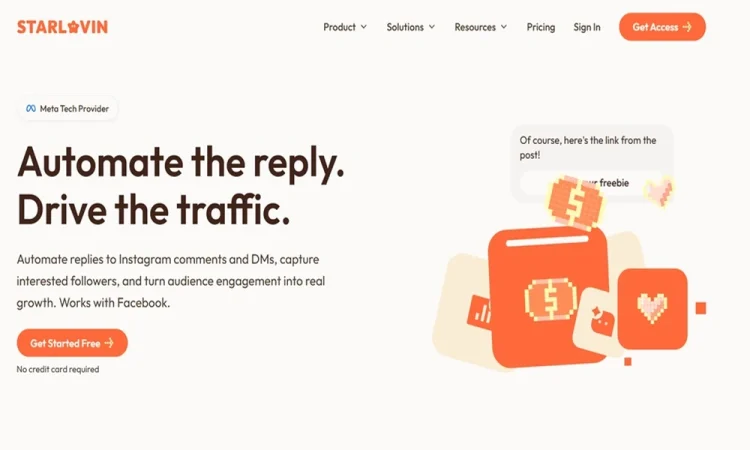
For teams that want this kind of workflow without turning every conversation into a manual support task, StarLovin is built around Instagram DM automation, comment-to-DM triggers, contact history, and human takeover when the conversation needs more context.
Managing one Instagram account is already enough to require careful setup. Managing several client accounts adds another layer of risk. A team may switch between brands, campaigns, offers, and content calendars every day. If automation is connected to the wrong account, even a small mistake can become very visible very quickly.
The danger is not only sending the wrong link. It can be a public reply under the wrong post, a DM that uses another client’s tone, a keyword that triggers the wrong resource, or a lead captured into the wrong workspace. These errors make the agency look careless and can create confusion for followers who expected a specific brand experience.
Before launching any campaign, teams should confirm the account connection, the linked Facebook or Meta assets, the active Instagram profile, and the workspace where contacts will be stored. This check may feel basic, but it is exactly the kind of basic step that prevents expensive mistakes. Multi-account work rewards boring discipline.
This is one of the most practical evaluation points for instagram automation tools. The tool should make it clear which account is connected, which campaign belongs to which client, and which automation is active. If operators have to guess from similar profile names or reused campaign labels, the workflow is not safe enough for agency use.
Naming conventions help. Campaigns should include the client name, trigger type, resource, and date or campaign phase. A vague name like “link flow” is risky when five clients have link flows. A clearer name like “ClientA_Reel_Checklist_July” gives the operator more context before they turn anything on.
Permission reviews are also important. Not every team member needs access to every account. If someone only supports one client, their workspace should reflect that. When a person leaves the agency or changes accounts, permissions should be updated before new campaigns are launched. Automation is easier to trust when access is intentionally limited.
Finally, agencies should run a small test before sending traffic into a campaign. Comment from a test account, confirm the public reply, check the DM, click the link, and verify where the contact is saved. A short pre-launch routine can catch the wrong account connection before real users do. For multi-client teams, safe automation is not just about features. It is about clear ownership, visible context, and repeatable checks.
This is also useful when clients request last-minute changes. If a link, keyword, or account connection changes close to launch, the test should be repeated. The cost is a few minutes. The benefit is avoiding a public mistake that could confuse users across more than one brand.
Agencies can make this even safer by keeping a short launch checklist inside the project folder. It should name the client account, the connected profile, the keyword, the destination URL, the person approving the copy, and the person responsible for monitoring the inbox after launch. That final owner matters when questions arrive quickly after publishing.