
Unsure About Product Classification? HS Codes Clarify International Shipping Requirements

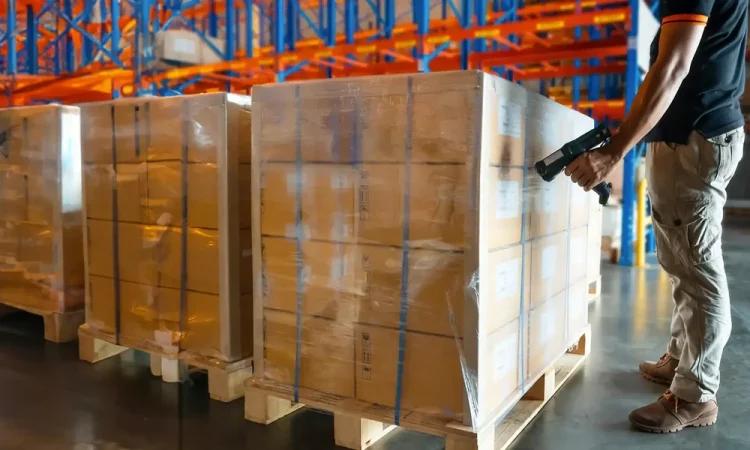
Most customs delays begin with a single wrong number. A shipment can carry flawless paperwork yet stall at port. The Harmonized System gives each traded product a structured code. Officers judge goods by composition and use, not labels. Any hs code bangladesh search reveals eight-digit national tariff lines. Those digits set duty rates, permit needs, and treaty savings. One misread subheading can erase an order’s entire profit. Customs software flags inconsistent declarations in seconds. Even near-identical goods can split across two lines. Structure, errors, verification, and trade preferences all shape clearance speed.
Six Global Digits Anchor Every Code
The World Customs Organization maintains the six-digit core. Over 200 economies apply this shared framework today. Chapter 52, for instance, covers cotton. The opening pair of digits names that chapter. The next pair narrows things to a heading. The last two pinpoint a precise subheading. Countries then add digits for local duties and statistics.
Why Do Countries Extend Beyond Six Digits?
Global codes stop at product families. National tariffs need finer cuts to price goods fairly. Bangladesh, for example, splits headings into eight-digit lines. Extra digits let authorities:
- Charge separate rates on raw and finished goods
- Shield local industries from cheaper imported rivals
- Track sensitive items such as medicines with precision
- Apply regulatory or supplementary levies on selected lines
Wrong Lines Trigger Penalties and Delays
Customs officers compare declared codes against physical cargo. A mismatch can mean reassessment, fines, or seizure. Consider a phone charger filed as a spare part. Officers reclassify it and add the unpaid duty plus fines. The National Board of Revenue publishes the official schedule each year. A verified hs code bangladesh entry protects margins at Chattogram port.
How Can Exporters Verify the Right Line?
Verification follows a clear, repeatable routine. Product descriptions alone seldom settle the question. Five quick checks replace expensive guesswork:
- Read the chapter and section notes first
- Match material, function, and form
- Compare the importer’s past declarations
- Request an advance ruling when doubtful
- Consult a licensed customs agent
Skipping those notes causes most classification disputes.
Do Trade Agreements Change the Code?
No-the code stays fixed, but its rate may fall. Under SAFTA, Indian goods can enter Bangladesh at reduced duty. APTA offers similar concessions on a listed range of products. Claiming that benefit requires a certificate of origin. The certificate must quote the identical subheading. Any digit mismatch voids the preference, and standard rates apply.
Eight Digits Carry the Whole Shipment
That misfiled phone charger reveals a quieter truth. Classification is a pricing decision, not paperwork. The code fixes landed cost before buyers see quotes. Checking digits after signing a contract gambles the margin. A flawed SAFTA certificate can cost more than freight. Delays show at the port; margin losses stay hidden. Finance teams, not clerks, should own that decision. Eight digits, chosen early, protect the deal itself.
FAQs
What HS code structure does Bangladesh follow for imports?
Bangladesh adds two national digits to the global six. The extra pair separates goods for local duty and statistics, and officers assess all eight.
Who publishes Bangladesh’s official customs tariff schedule?
The National Board of Revenue publishes the schedule each year. Rate revisions follow the June national budget, so older editions can mislead current declarations.
Can an Indian HS code work for Bangladeshi customs clearance?
The first six digits match across both countries. National digits differ, so the Bangladeshi line needs separate checking, ideally against the importer’s own reference code.
What happens if goods are declared under the wrong code?
Customs may reassess duty, impose fines, or hold the cargo. Repeat errors can flag the importer for tighter inspections, while demurrage charges pile up at port.


